
Root Canal Therapy in Searcy: How Treatment Can Save a Natural Tooth
August 21, 2026 9:00 amA tooth that needs a root canal can be frustrating because the symptoms do not always behave the way you expect. It may hurt when you bite for a few days, calm down, and then start reacting to coffee or cold water again. You may also notice that you are chewing on the other side more often, and after a while, it is natural to wonder whether the tooth is even worth saving.
When the pulp inside the tooth becomes inflamed or infected, root canal therapy can treat that problem without removing the tooth. Dr. Keith Neaville removes the damaged tissue, cleans and seals the inside, and then restores the tooth so you can keep using it. If enough healthy tooth structure remains, that may help you avoid an extraction and the need to replace the missing tooth later.
At Neaville Family Dentistry in Searcy, AR, Dr. Neaville can examine the tooth, review your X-rays, and see how much healthy structure is still there. Sometimes a deep cavity is the cause, while other times a crack, an older filling, or a past injury has affected the tissue inside. Once he has a clear idea of what is happening, he can explain whether the tooth can still be restored and what treatment would involve.
How Root Canal Therapy Saves the Tooth
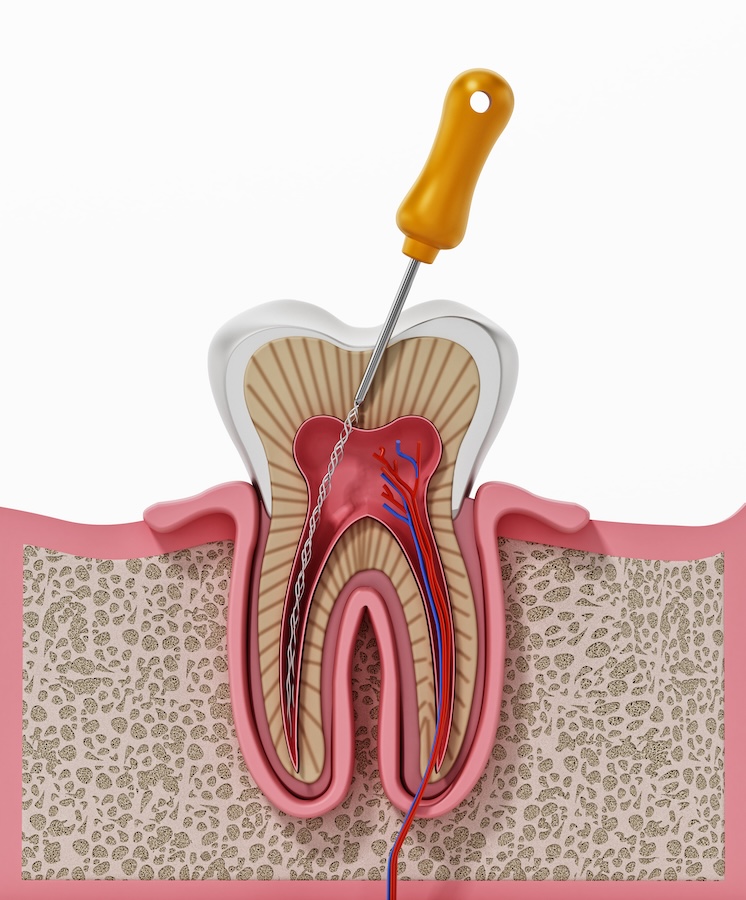
Inside every tooth is a soft area called the pulp, which contains nerves, blood vessels, and connective tissue. When bacteria reach that area, the pulp can become inflamed or infected. Once that happens, the tooth usually cannot heal the damaged tissue on its own.
Root canal therapy removes the unhealthy pulp while leaving the rest of the tooth in place. Dr. Neaville cleans and shapes the narrow canals inside the roots, then seals those spaces after the damaged tissue is removed. The root remains in the jaw, and the visible part of the tooth stays in your mouth.
After the tooth is restored, you can continue using it for normal chewing. A mature tooth can function without living pulp because the tissues around the root continue to support it. If the remaining tooth structure is strong enough, root canal therapy may give that tooth many more years of use.
Why a Tooth May Need a Root Canal
A deep cavity is one of the more common reasons a tooth needs root canal treatment. Decay begins on the outer surface, but if it keeps moving inward, it can eventually reach the pulp. Once it gets that deep, a filling may no longer be enough to treat the full problem.
Cracks can cause something similar. Some cracks are easy to see, while others are small enough that the first clue is pain when you bite into something firm. You may also notice that one tooth suddenly reacts more strongly to hot or cold than it used to.
Older dental work can play a part as well. A filling or crown may have worked well for years, but decay can sometimes develop around the edges. If bacteria move deeper into the tooth, the pulp can become irritated or infected.
Past injuries can affect the pulp too, even when the tooth still looks normal. A hard bump or fall may damage the nerve inside, and symptoms can show up much later. Sometimes a tooth carries that old injury quietly for years before anything changes.
What a Tooth That Needs a Root Canal Can Feel Like
Some toothaches are impossible to ignore, while others are more like a nuisance that keeps circling back. You may have a dull ache one evening, feel almost normal the next day, and then notice tenderness again when you chew. That stop-and-start pattern can make it easy to keep giving the tooth “one more day” before calling.
Hot and cold can also tell you quite a bit. A quick twinge from something cold can happen for several reasons, but pain that lingers after the drink is gone can point to irritation deeper inside the tooth. Hot foods and drinks may cause the same kind of lingering discomfort.
You may also find yourself favoring the other side when you eat. That can happen without much thought if one tooth feels tender under pressure, especially with crunchy or chewy foods. By the time you notice the habit, you may realize that tooth has quietly been running your meals for several days.
Not every tooth that needs a root canal hurts a lot, though. Sometimes Dr. Neaville sees a change around the root on an X-ray before the tooth becomes painful, especially after trauma or deep decay. Swelling, a small bump on the gum, drainage, or a bad taste can also point to infection around the tooth.
What Happens During a Root Canal?
Dr. Neaville begins by numbing the tooth and the surrounding area. Once you are comfortable, he creates a small opening so he can reach the pulp chamber and the canals inside the roots. He then removes the inflamed or infected tissue.
After that, he cleans and shapes the canals so they can be sealed. These spaces are narrow and can vary quite a bit from one tooth to another, which is why some teeth take more time than others. Once the canals are ready, he fills and seals them.
Some root canals can be completed in one appointment, while others take more than one visit. The number of roots, the shape of the canals, and the amount of infection can all affect the schedule. Dr. Neaville can give you a better idea after he has evaluated the tooth.
The tooth still needs a final restoration after the root canal is complete. Depending on how much healthy structure remains, that may be a filling or a crown. Back teeth often need crowns because they take more pressure every time you chew.
Will a Root Canal Hurt?
Before treatment begins, Dr. Neaville numbs the tooth and the tissues around it. During the procedure, you may notice pressure or movement, much as you would during other dental treatment. You should not feel sharp pain while the tooth is being treated.
If something feels uncomfortable, let him know so he can check the area. A very inflamed tooth can sometimes take more time to numb fully, and that is not unusual. In that situation, more anesthetic can be used before treatment continues.
After the appointment, the tooth may feel sore or tender for a few days, especially if the tissues around the root were already irritated. Chewing may feel a little different at first, but the tenderness should gradually ease. If the pain keeps getting stronger instead of improving, call the office so Dr. Neaville can check the tooth and your bite.
What to Expect After a Root Canal
Once the numbness wears off, you may notice tenderness when you bite. If the tooth was already painful before treatment, that soreness can be a little more noticeable at first. The tissues around the root need some time to settle after both the infection and the procedure.
For a day or two, softer foods may be more comfortable. Pasta, eggs, yogurt, cooked vegetables, and softer proteins can take some pressure off the treated tooth while it is tender. Dr. Neaville may also ask you to avoid heavy chewing on that side until the final restoration is in place.
You can continue brushing and cleaning your teeth, although you may need to be more careful around a temporary filling. Very hard or sticky foods can pull at temporary material, so it is better to avoid them until the permanent restoration is finished. If the temporary filling comes out or the tooth starts feeling worse instead of better, call Neaville Family Dentistry so the area can be checked.
Why You May Need a Crown After a Root Canal
Root canal therapy treats the problem inside the tooth, but the remaining tooth still has to handle breakfast, dinner, and everything in between. Many teeth that need root canals already have a large cavity, a crack, or an older filling. Because of that, there may be less healthy tooth structure left than there was before the problem started.
Back teeth often need crowns because molars and premolars take a lot of force. A crown covers more of the remaining tooth and helps support weaker areas. That can reduce the chance of the tooth breaking later.
Front teeth may have different restorative needs because they handle different forces and may have more healthy structure left. Dr. Neaville will look at how much tooth remains and where the damage is located before recommending the next step. The restoration should fit that tooth rather than follow a one-size-fits-all rule.
Why Bother Saving a Natural Tooth?
If the tooth can still be treated and restored, keeping it lets you continue using a tooth that already fits naturally into your bite. It sits in the right position, works with the teeth around it, and has its own root in the jaw. You also avoid creating a space that may need to be replaced later.
Once a tooth is removed, that space can become its own dental project. Depending on where the tooth is, you may later consider an implant, bridge, or another replacement so you can chew comfortably and keep nearby teeth from shifting. In other words, removing the tooth may solve the immediate problem, but it can also lead to another round of treatment.
Keeping the natural tooth also preserves the bite you already have. The tooth continues to work with the teeth beside it and the tooth above or below it, which your mouth is already used to. If Dr. Neaville sees enough healthy structure to restore, keeping that tooth may make more sense than taking it out and replacing it.
There are still times when extraction is the better option. A deep fracture, severe decay, or poor support can leave too little healthy tooth to rebuild. In those cases, Dr. Neaville can explain why the tooth may not do well even after treatment.
When a Root Canal Cannot Save the Tooth
Some teeth have lost too much structure to restore predictably. A crack that extends far down the root can make the tooth unstable, while severe decay below the gumline can leave very little healthy tooth to work with. Treating the inside would not solve those larger structural problems.
The gums and bone around the tooth also affect the decision. If advanced gum disease has caused significant loss of support, the tooth may still be unstable after root canal treatment. Dr. Neaville looks at the condition of the whole tooth and the tissues around it before recommending a plan.
Sometimes extraction is the better choice because the tooth would still have a poor outlook after treatment. If that is the case, Dr. Neaville can show you what he sees and explain why saving the tooth may not make sense. From there, you can talk about replacement options if you need one.
What Happens if You Wait to Treat an Infected Tooth?
Once the pulp inside a tooth becomes infected, the problem can continue into the tissues around the root. Pain may increase, but it can also come and go, which is one reason some people keep putting off the appointment. A tooth that gives you a few quiet days may still have the same problem underneath.
As the infection progresses, an abscess can form near the root. You may notice swelling, tenderness, pressure, drainage, or an unusual taste. The gum near the tooth may also become puffy or develop a small bump.
Pain can sometimes fade if the nerve tissue inside the tooth dies. In that case, the tooth may feel better for a while even though infection remains around the root. If enough healthy structure remains, root canal therapy may still be able to save the tooth, but waiting longer can make restoration more difficult.
How to Care for a Tooth After a Root Canal
Once the final restoration is in place, the tooth goes back into your normal home-care routine. Brush twice a day with fluoride toothpaste and clean between your teeth, paying attention around the edges of a crown or filling. The remaining natural tooth structure can still develop decay, so the treated tooth still needs the same daily care as the rest of your mouth.
Grinding and clenching can also put extra pressure on the tooth and its restoration. If you put a lot of force on your teeth at night, crowns and weakened tooth structure can wear or fracture more quickly. Dr. Neaville may talk with you about protecting the tooth if he sees signs that you grind.
It is also worth mentioning changes when you notice them. If a crown feels loose, rough, or uncomfortable when you chew, call the office or bring it up at your next visit. Regular dental visits give Dr. Neaville a chance to check the restoration, your bite, and the tissues around the root before a small issue becomes a bigger one.
Common Questions About Root Canal Therapy
How Do I Know if I Need a Root Canal?
Lingering sensitivity to hot or cold, pain when chewing, recurring toothaches, swelling, or tenderness can all point to a problem inside the tooth. Some teeth also darken after an injury, while others cause very little discomfort. Because cracks, cavities, gum problems, and other conditions can feel similar, Dr. Neaville will need to examine the tooth before recommending treatment.
X-rays and other tests can help show whether the pulp is inflamed or infected. They can also show whether the tissues around the root have been affected. Together, those findings help Dr. Neaville decide whether a root canal is appropriate.
Can Antibiotics Fix an Infected Tooth Instead?
Antibiotics can help when infection has spread into the tissues around the tooth, but they do not remove infected pulp from inside the tooth. The source still needs dental treatment. Depending on the condition of the tooth, that may mean root canal therapy or extraction.
If you have swelling or pain, call Neaville Family Dentistry rather than relying on antibiotics alone. Dr. Neaville can evaluate the tooth and decide whether medication should be part of the treatment plan. He can also explain what needs to be done to treat the source of the infection.
How Many Visits Does a Root Canal Take?
Many root canals can be completed in one or two appointments, although the exact number depends on the tooth, the shape of its canals, and the amount of infection present. Some teeth have more complicated anatomy and need additional time. Dr. Neaville can give you a better estimate once he has seen the tooth.
You may also need another visit for the final filling or crown. That restoration protects the treated tooth and gets it ready for normal chewing again. It is an important part of finishing treatment.
Will My Tooth Feel Different After a Root Canal?
The tooth no longer has living pulp inside after treatment, so it will not respond to temperature in quite the same way. However, the tissues around the root can still feel pressure. Once the area heals, you should still be able to chew with the tooth normally.
For the first few days, the tooth may feel tender when you bite. That soreness should gradually ease as the tissues around the root settle. If it continues to increase instead, let Dr. Neaville know.
Is It Better to Pull a Tooth or Have a Root Canal?
If the tooth still has enough healthy structure to restore, root canal therapy may allow you to keep it and avoid creating a gap. Extraction may make more sense when the tooth has a deep fracture, severe decay, or very little support. The condition of the tooth will guide that decision.
Removing a tooth can also lead to additional treatment if you want to replace it later. Dr. Neaville can explain what both options would involve so you can compare them based on the condition of your tooth. That includes what treatment may be needed after an extraction.
Why Does a Root Canal Tooth Need a Crown?
Many teeth that need root canals have already lost structure because of decay, cracks, or older fillings. Back teeth also take a lot of chewing pressure, so a crown can help support what remains and reduce the chance of fracture. That is why crowns are commonly recommended for molars and premolars after root canal treatment.
Not every tooth needs the same type of restoration. Dr. Neaville will look at how much healthy structure remains and where the tooth sits in your mouth before recommending the next step. The restoration should match the needs of that tooth.
Can a Root Canal Fail Years Later?
A treated tooth can sometimes develop another problem later. A new cavity, crack, or leaking restoration may allow bacteria to affect the area again. You might notice swelling, tenderness, or discomfort around a tooth that had been comfortable for years.
That does not always mean the tooth needs to be removed. Dr. Neaville can evaluate what changed and see whether additional treatment may help. In some cases, another procedure may allow the tooth to stay in place.
How Soon Can I Eat After Root Canal Therapy?
Wait until the numbness has worn off before chewing so you do not accidentally bite your cheek or tongue. After that, softer foods may be more comfortable while the tooth is tender, especially if you still have a temporary filling. Dr. Neaville may also ask you to avoid heavy chewing on that side for a short time.
Once the final restoration is complete and the tooth feels comfortable, you can usually return to your normal diet. If biting still feels painful after the area has had time to heal, call the office so Dr. Neaville can check it. A small adjustment to your bite may sometimes be needed.
Root Canal Therapy at Neaville Family Dentistry in Searcy, AR
If one tooth has been bothering you long enough that you are changing how you chew or wondering whether it is worth saving, an exam can give you a clearer answer. Dr. Keith Neaville can look at the tooth, review your X-rays, and determine whether root canal therapy may allow you to keep it. If the damage has gone too far, he can explain why and talk with you about what comes next.
At Neaville Family Dentistry in Searcy, AR, Dr. Neaville can walk you through what he sees and what the tooth may need afterward. You will know whether the tooth can still be restored, what the treatment involves, and what to expect once it is finished. Call Neaville Family Dentistry to schedule a visit with Dr. Keith Neaville, and we’ll be glad to help you take care of the tooth and get back to chewing comfortably.
Categorised in: Root Canal Therapy