
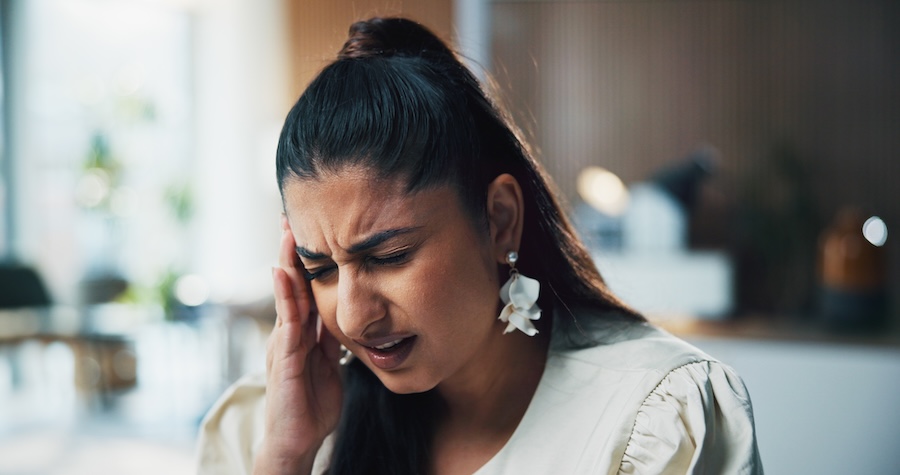
Are Morning Headaches Linked to Jaw Clenching or Sleep Apnea Symptoms?
October 9, 2026 9:00 amYou wake with a headache and a jaw that already feels tired, before breakfast has given it anything to do. Clenching or grinding overnight may be one reason, although snoring, gasping, or waking unrefreshed can point toward a sleep-related breathing problem. Because headaches have several possible causes, we look at the jaw symptoms while your medical provider checks for sleep or other health concerns.
At Neaville Family Dentistry in Searcy, Arkansas, we examine the dental side of those symptoms, including sore jaw muscles, tender teeth, and wear from grinding. If you’ve been snoring or waking with a gasp, Dr. Keith Neaville can discuss those symptoms with you and help coordinate a medical sleep evaluation. If a sleep evaluation shows apnea and an oral appliance is recommended, we check how it fits your teeth and jaw. Your medical team also checks whether it is improving your breathing during sleep.
How Jaw Clenching Can Contribute to Morning Headaches
When you clench, you hold your teeth together with sustained pressure. Grinding adds a back-and-forth movement, and either habit can happen during sleep or while you’re awake. After hours of that work, the jaw muscles may still feel sore when you wake.
Because the chewing muscles extend toward the temples, clenching can leave discomfort there as well as along the cheeks. You might notice it while chewing toast and wonder why your jaw feels as though it has already done a day’s work. If that soreness arrives with the headache, we examine the muscles and jaw movement to see whether they are contributing.
However, a headache and worn teeth can’t confirm that current grinding is the cause. Wear may have built up years earlier or involved acid exposure as well. We compare it with present muscle tenderness, pain during movement, and when the headaches occur.
Snoring, Gasping, and Unrefreshing Sleep
Obstructive sleep apnea occurs when the airway repeatedly narrows or closes during sleep. Breathing interruptions can disrupt sleep and reduce oxygen levels. Morning headaches may occur alongside loud snoring, gasping, or pauses in breathing noticed by someone else.
Along with the headache, you may wake with a dry mouth or feel sleepy despite spending enough hours in bed. Difficulty concentrating or dozing during the day can occur as well. When those symptoms accompany snoring or breathing pauses, a medical sleep evaluation can investigate what is happening overnight.
If the symptoms suggest sleep apnea, a sleep study can check your breathing and how often it’s interrupted. Your physician or a sleep specialist uses those results to diagnose the condition and plan treatment. Alongside that medical evaluation, we can check the jaw and teeth for soreness and grinding damage. However, officially diagnosing apnea does require a sleep evaluation.
What a Jaw Exam Includes
During a jaw exam, we check how far you can open, where the muscles feel tender, and whether movement causes pain. We also look for damaged teeth and restorations that could explain discomfort with chewing. A painless click may not need treatment. However, if opening hurts or the jaw locks, we check how the joint moves and where the pain starts.
Before the visit, note when the headache starts and where you feel it. Pain near the temples with a tired jaw on waking may differ from a headache that builds during an afternoon at the computer. Include whether chewing, yawning, or stressful periods make it worse, along with any snoring or breathing pauses someone has noticed.
Medications, sleep habits, and medical conditions can help explain symptoms that extend beyond the teeth. Migraine and other headache disorders may overlap with jaw pain, so finding signs of clenching doesn’t settle every question. In those cases, medical evaluation can continue alongside care for the jaw and teeth.
A Nightguard and a Sleep Apnea Appliance Do Different Jobs
A nightguard puts a protective surface between teeth that clench or grind. In some cases, we may also use an appliance as part of care for jaw symptoms. However, if it increases soreness or changes how your teeth meet, the fit and treatment need another check.
For selected patients with diagnosed obstructive sleep apnea, an oral appliance holds the lower jaw forward to help keep the airway open. Its position and fit differ from a standard grinding guard. A nightguard can protect tooth surfaces, but it doesn’t provide the same treatment for blocked breathing during sleep.
After fitting a sleep apnea appliance, follow-up checks how you tolerate it and whether it’s helping your breathing. Your medical team may arrange another sleep test to measure that response. If you already use CPAP and find it hard to sleep with, bring that up with your sleep clinician before changing treatment. The dental appliance needs to fit your sleep apnea treatment plan as well as your mouth.
Daytime Habits Can Add to Overnight Strain
Clenching may continue during the day, even if you first notice soreness in the morning. You might catch your teeth pressed together in traffic or halfway through writing an email, even though there is nothing to chew. When you notice it, let the teeth separate and allow your jaw to rest without pushing it into a new position.
During a painful period, softer foods and smaller bites can reduce the amount of chewing required. Limit gum chewing and repeated testing of the sore area. A comfortable warm or cold compress may help, depending on what feels better and your clinician’s advice.
Reducing chewing and clenching may ease muscle strain while we assess the pain. However, if you’re still snoring, gasping, or struggling to stay awake during the day, a sleep evaluation can check your breathing even after the jaw feels better. Before changing a guard or trying exercises, we check what is causing the pain. Forcing a sore or restricted joint through a stretch can make it hurt more.
When a Headache Needs Medical Care
A new or persistent pattern of morning headaches should be discussed with a healthcare professional. Seek emergency medical care for a sudden, severe headache or one accompanied by weakness, trouble speaking, confusion, or other new neurological symptoms. Those changes require a different response from a routine dental appointment.
Daytime sleepiness can create immediate risks as well. If you’re struggling to stay awake behind the wheel, stop driving and arrange another way to travel. Contact your medical provider about the sleepiness and possible breathing symptoms rather than trying to push through it.
If your jaw stays sore or the teeth feel tender during breakfast, a dental exam can check for muscle strain and tooth damage. Bring any guard you wear and sleep-study information you already have. From there, we can review the appliance and work with your medical provider when breathing symptoms need further care.
Jaw and Sleep Appliance Care in Searcy
If headaches have become part of your morning routine, we can examine the jaw and teeth while helping coordinate the next steps for sleep-related concerns. Dr. Neaville can go over treatment for sore jaw muscles or grinding damage, and discuss a sleep apnea appliance if your medical evaluation supports one. Schedule a visit with our Neaville Family Dentistry team in Searcy, Arkansas, and bring your questions about what is happening overnight!
Categorised in: Custom Nightguards, Headaches, TMJ Therapy