
Why Some People Grind Their Teeth and What Long-Term Effects to Watch For
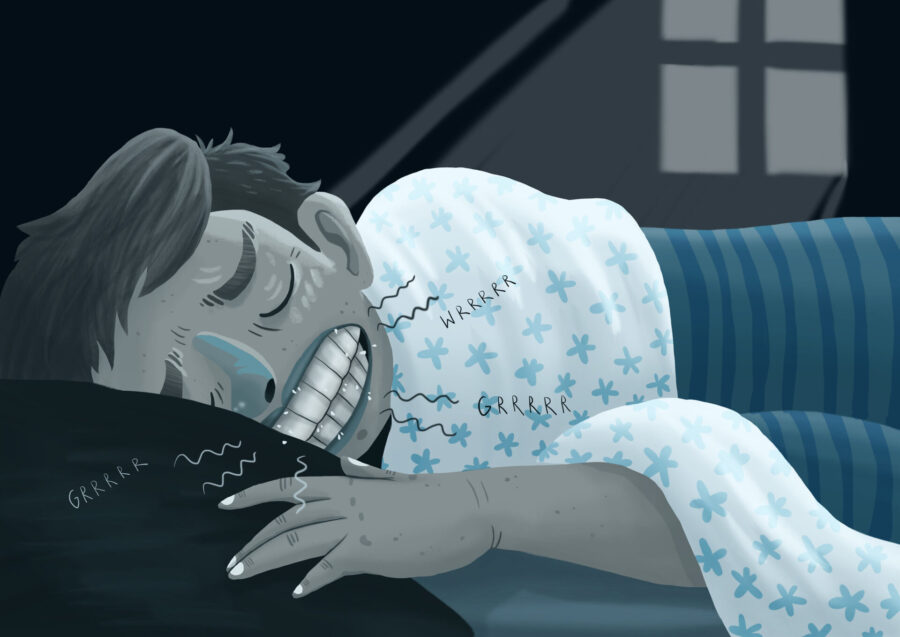
February 18, 2026 9:00 amTeeth grinding, also known as bruxism, usually happens during sleep — and most people only realize it’s happening once the wear and symptoms start to show. Worn edges, morning jaw soreness, or increased tooth sensitivity are often the first clues.
At Neaville Family Dentistry in Searcy, AR, Dr. Keith Neaville regularly evaluates patients for signs of grinding and clenching. While occasional clenching isn’t unusual, chronic bruxism can lead to significant wear and discomfort over time.
Understanding why it happens — and what to look for — can help prevent long-term damage.
Why Do People Grind Their Teeth?
There isn’t one single cause of bruxism. It’s usually a combination of physical and behavioral factors.
Stress and Tension
Stress is one of the most common contributors. Many people carry tension in their jaw muscles without realizing it. That tension may show up during the day as clenching or at night as grinding during sleep.
Bite Alignment
When teeth don’t come together evenly, the jaw may subtly shift to find a more comfortable position. That shifting can increase muscle activity and contribute to grinding patterns.
Sleep Disturbances
Bruxism is often linked to disrupted sleep patterns. It may occur alongside snoring or mild sleep apnea. Grinding episodes frequently happen during lighter stages of sleep.
Habitual Clenching
Some people clench during focused activities — driving, working at a computer, exercising — without noticing. Over time, that habit becomes automatic.
Dr. Neaville evaluates not just the teeth themselves, but also the bite, jaw muscles, and patient history to determine what may be contributing.
Signs You May Be Grinding Your Teeth
Because grinding often happens at night, the signs tend to show up gradually. Common indicators include:
- Flattened or worn-down tooth edges
- Small cracks or chips
- Increased tooth sensitivity
- Jaw soreness in the morning
- Headaches near the temples
- Tight or tired jaw muscles
In more advanced cases, grinding can even loosen teeth or damage existing dental work.
Often, the enamel wear is subtle at first. Regular dental exams help catch these changes early.
What Happens If Grinding Continues?
Long-term bruxism can affect more than just the surface of your teeth.
Enamel Loss
Enamel doesn’t grow back. Once it wears down, teeth may become more sensitive to temperature and pressure. Over time, the bite may change as teeth shorten.
Cracked Teeth
Constant pressure can create small fractures in the enamel. These cracks may eventually require crowns or other restorative treatment.
Jaw Joint Strain (TMJ Issues)
The jaw joint (TMJ) can become irritated from repetitive clenching. This may lead to clicking, popping, or discomfort when chewing.
Muscle Fatigue and Headaches
The jaw muscles are strong. Repeated overnight contraction can leave them fatigued, which sometimes presents as morning headaches or facial soreness.
Catching bruxism early can prevent many of these complications.
How Teeth Grinding Is Treated
Treatment depends on severity and cause.
Custom Nightguards
A custom-fitted nightguard is one of the most common solutions. Unlike store-bought options, a professionally made appliance is designed to fit your bite precisely. It acts as a protective barrier, reducing pressure on teeth and joints.
Bite Evaluation
If alignment contributes to grinding, adjustments or orthodontic consultation may be recommended.
Stress Awareness
For daytime clenchers, simply becoming aware of the habit can reduce strain. Patients are often encouraged to keep their teeth slightly apart when at rest, allowing the jaw muscles to relax.
Dr. Neaville works with patients to create a plan that protects the teeth while addressing underlying triggers.
When to Schedule an Evaluation
If you’ve noticed increased sensitivity, jaw soreness, or visible tooth wear, it’s worth having your bite examined. Even if symptoms seem minor, early intervention can prevent more complex treatment later.
Bruxism doesn’t always cause immediate pain — but it can quietly change the shape and strength of your teeth over time.
Teeth Grinding Treatment in Searcy, AR
Teeth grinding is common, but long-term wear doesn’t have to be inevitable. With proper diagnosis and protection, damage can be minimized and discomfort reduced.
At Neaville Family Dentistry in Searcy, AR, Dr. Keith Neaville evaluates the signs of bruxism and offers custom solutions to protect your smile. If you suspect you may be grinding your teeth, schedule an appointment to have your bite and jaw assessed before minor wear turns into major repair.
Image from Authority Dental under CC 2.0
Categorised in: Bruxism