
Can Enamel Repair Itself? Realistic Limits and How to Preserve What You Have
January 22, 2026 9:00 amYou hear a lot about “strengthening enamel” or “reversing early decay.” But how much of that is actually possible? Once enamel is damaged, can it grow back — or are we just slowing the damage down?
At Neaville Family Dentistry in Searcy, AR, Dr. Keith Neaville helps patients understand the difference between true repair and protective care. Because while enamel can’t fully regenerate, there are smart ways to support what you’ve got — and keep it working for you as long as possible.
What Enamel Can (and Can’t) Do
Enamel is incredibly tough — the hardest substance in the body — but it’s also non-living. That means once it’s worn away or decayed, your body can’t grow it back. There are no cells beneath enamel ready to rebuild it the way your skin or bones might heal.
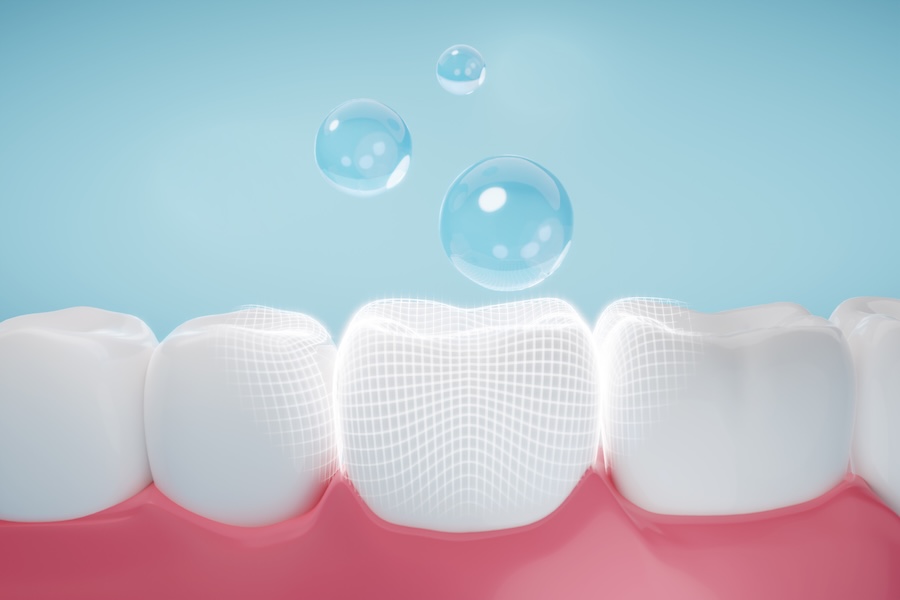
But enamel isn’t totally defenseless. In its early stages, enamel erosion can be slowed — and in some cases, partially reversed — through a process called remineralization. It doesn’t bring lost enamel back, but it can reinforce weakened areas to help prevent things from getting worse.
How Remineralization Works
Remineralization happens when minerals like calcium, phosphate, and fluoride re-deposit onto the enamel surface. These minerals can strengthen soft spots before a cavity fully forms.
It’s most effective when:
- Decay is just beginning — often showing as white spots or mild sensitivity
- You have plenty of saliva (which helps deliver minerals and neutralize acids)
- You’re regularly using fluoride toothpaste, rinses, or receiving professional treatments
When the timing’s right, this process can keep small enamel defects from becoming larger problems.
Where the Limits Are
If enamel damage progresses to the point where a cavity forms — meaning actual structure is missing — remineralization alone won’t cut it. At that point, the tooth needs intervention: usually a filling or other restoration.
That’s why early detection matters. At your regular exams, Dr. Neaville can spot weak spots long before they cause pain, and recommend the right steps to keep them from getting worse.
Practical Ways to Protect Your Enamel
There’s no miracle solution. But simple habits — done consistently — can make a major difference in keeping enamel intact:
Cut Back on Acids
Frequent exposure to soda, citrus, energy drinks, or vinegar-heavy foods weakens enamel. It’s not about cutting everything out — just limiting how often those acids hit your teeth. Drinking water after acidic meals helps.
Use Fluoride Wisely
Fluoride helps enamel take in the minerals it needs to stay strong. Fluoride toothpaste is the easiest daily tool — but in-office fluoride treatments, varnishes, or prescription rinses may help too, especially if you’re prone to sensitivity.
Pay Attention to Dry Mouth
Less saliva = less protection. If you take medications that cause dry mouth or just feel parched often, let us know. We can suggest simple ways to keep your mouth better hydrated and your enamel safer.
Brush Gently — But Consistently
Use a soft-bristled brush and don’t scrub too hard. Enamel wears slowly, but too much pressure day after day can speed things up. Gentle circles twice a day go a long way.
Watch for Early Warning Signs
Tooth sensitivity, white spots, or dullness can all point to early enamel changes. It’s better to address those early than to wait for a filling.
When Natural Protection Isn’t Enough
Sometimes even with the best care, enamel damage needs a dental fix. Whether it’s a small filling, a bonded repair, or a crown for a tooth that’s been through a lot — Dr. Neaville can restore function while preserving as much of your healthy structure as possible.
Preserving Your Enamel at Neaville Family Dentistry in Searcy, AR
You can’t grow back lost enamel — but you can keep the enamel you have working well for decades with the right habits, timing, and care. If you’ve noticed sensitivity or just want to make sure your enamel is holding up, schedule a visit with Dr. Keith Neaville at Neaville Family Dentistry in Searcy, AR. It’s a simple check-in — but it might be the thing that keeps a little issue from turning into a bigger one.
Categorised in: Dental Tips, Oral Health, Oral Hygiene